Ulrich Peters · 2 September 2026
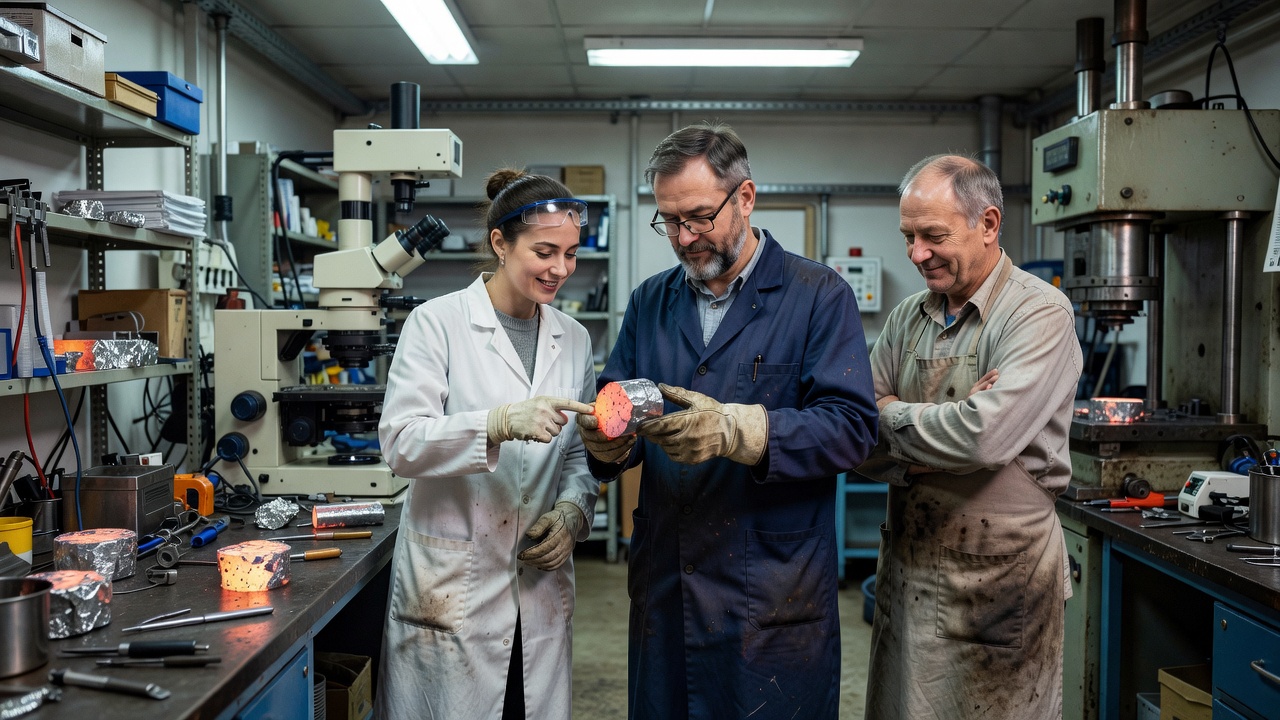
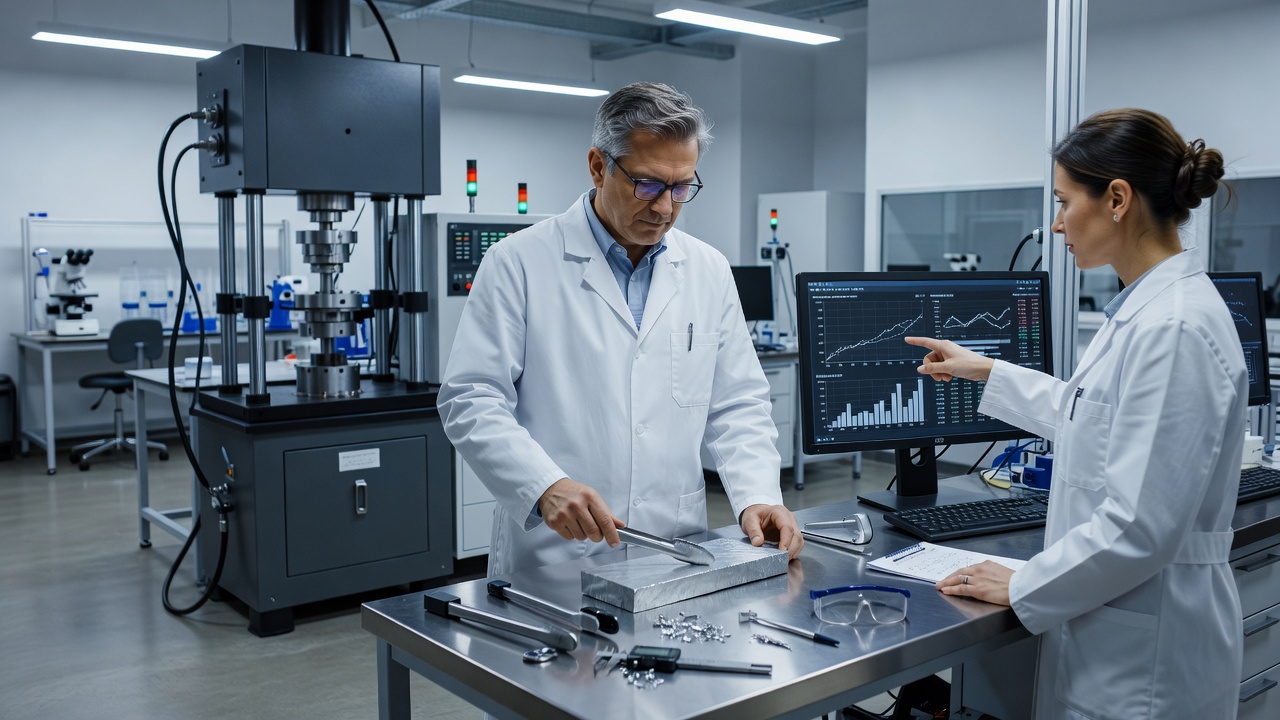
Researchers from the Warsaw Institute of Materials Science and the Krakow Forging Laboratory have reported a major breakthrough in creating high-strength base alloys. The new alloys exhibit improved mechanical properties suitable for demanding industrial applications in forging processes.
Development Process and Key Findings
The team utilized a novel forging technique combined with precise alloying elements including titanium and vanadium. Through extensive testing the alloys achieved a yield strength of over 1200 MPa representing a 25 percent improvement over previous generations. Microstructural analysis revealed finer grain structures contributing to enhanced fatigue resistance. Experiments were conducted under controlled conditions simulating extreme environments confirming the material stability at temperatures up to 600 degrees Celsius. Collaborations with European partners provided access to advanced characterization tools such as electron microscopy and X-ray diffraction. Data from over 500 samples validated the consistency of the results across different batches. This development addresses long-standing challenges in base forging where strength often compromises workability during high-pressure operations.
Industry Implications and Next Steps
The implications for sectors like automotive manufacturing and heavy machinery are substantial potentially leading to lighter yet stronger components that improve fuel efficiency and durability. Economic analyses suggest cost reductions due to reduced material usage and longer service life of forged parts. Future research will focus on scaling production methods and exploring additional corrosion resistance enhancements through surface treatments. The Polish labs plan to publish detailed papers in peer-reviewed journals and seek patents for the proprietary processes involved. Industry partners have expressed interest in pilot projects to integrate the alloys into commercial supply chains within the next two years.