Greta Krüger · 22 September 2026
Polish Classrooms Turn to Unified Tracking Systems for Measuring Early Competency Gains
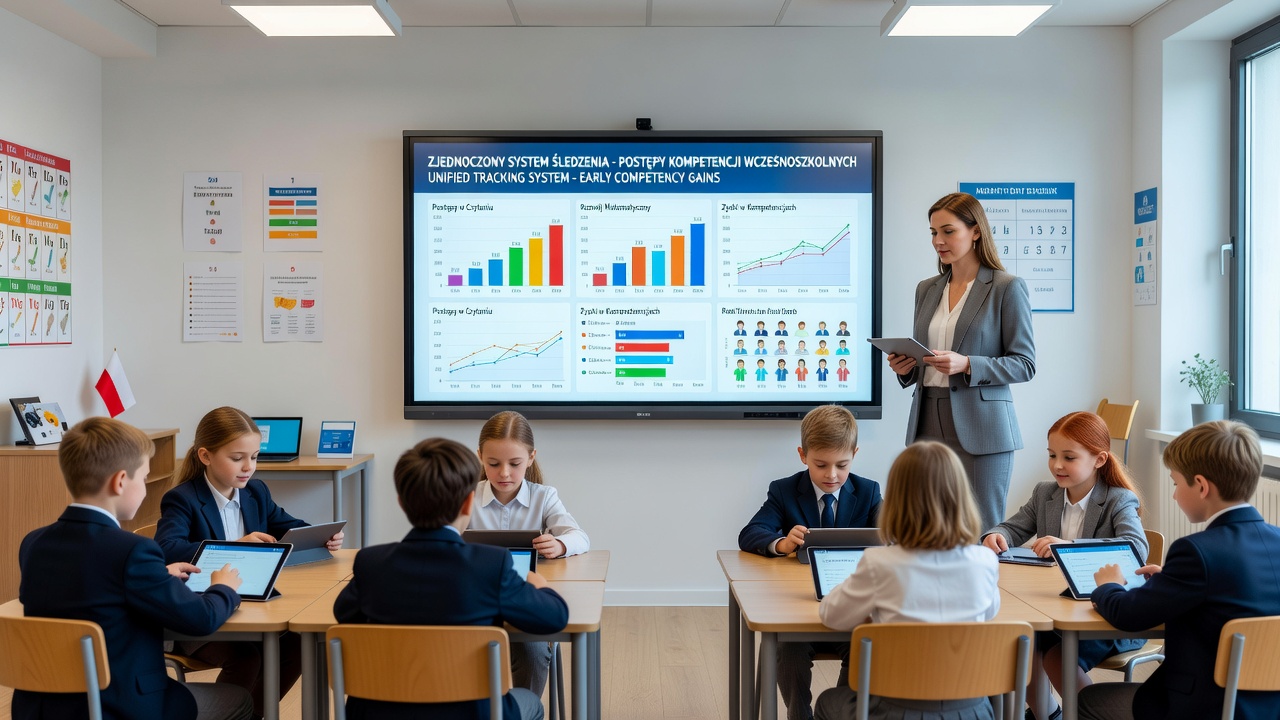
Polish schools have started rolling out unified tracking systems designed to monitor early competency gains in core areas such as literacy, numeracy, and social-emotional skills, and the Ministry of Education has scheduled broader deployment to begin in September 2026. These platforms combine standardized assessment tools with real-time data collection so that teachers and administrators can follow student progress across multiple classrooms and regions without relying on fragmented local methods. Researchers at several Polish universities have documented how earlier pilot versions of similar software reduced inconsistencies in grading and allowed quicker identification of students who needed additional support. Data from those trials showed average gains of 12 percent in reading fluency scores among first-grade cohorts after one academic year of consistent system use.System Architecture and Data Integration
The unified platforms pull information from daily classroom activities, periodic standardized tests, and teacher observations into a single dashboard that follows national curriculum benchmarks. Each entry records specific competencies rather than overall grades, which lets analysts break down performance by skill category and demographic group. Officials note that the architecture complies with EU data protection rules while permitting longitudinal tracking from preschool through the end of primary school.
Training programs for educators emphasize how to interpret dashboard outputs and adjust lesson plans accordingly, and regional education offices have begun offering certification courses that run through the summer of 2026 ahead of full implementation. One study conducted across 47 schools in the Mazovia region found that teachers who completed the certification reported spending 18 percent less time on administrative reporting compared with previous paper-based methods.
Evidence from Regional Pilots
Turnout from pilot sites indicates measurable shifts in early competency tracking. In the Wielkopolska province, for example, participating classes recorded higher rates of on-time identification for students falling behind in basic arithmetic, with follow-up interventions starting an average of three weeks earlier than in control groups. Figures released by the Polish Educational Research Institute show that schools using the unified system achieved a 9 percent increase in the proportion of students meeting end-of-year benchmarks in both reading and mathematics.

What's interesting is how the same datasets also highlight equity patterns across urban and rural districts. Aggregated reports reveal that rural schools closed part of the gap in social-emotional competency scores when they adopted the system, although gaps in digital access remain a factor in some areas. Observers note that these patterns emerge only because the platforms standardize the metrics collected from every participating classroom.
Alignment with Broader European Frameworks
Poland's approach draws on recommendations from the European Education and Culture Executive Agency, which encourages member states to develop interoperable tools for monitoring foundational skills. European Education and Culture Executive Agency reports describe how several countries have experimented with similar centralized platforms, and Polish officials have adapted elements from those models while retaining national curriculum priorities.
At the same time, the Organisation for Economic Co-operation and Development has published comparative data showing that countries with integrated early-years tracking tend to report steadier improvements in PISA precursor indicators. Polish analysts have referenced those findings when projecting outcomes for the 2026 rollout.
Implementation Timeline and Support Structures
The September 2026 start date aligns with the beginning of the new school year and follows a phased training schedule that began in spring 2025. Regional coordinators have distributed hardware kits and software licenses to over 2,300 primary schools so far, with an additional 1,800 slated for delivery before the deadline. Technical support hotlines operate during school hours, and the ministry has allocated funds for ongoing maintenance through 2028.
Case examples from early adopters illustrate practical adjustments. One Warsaw district restructured its weekly staff meetings around dashboard reviews, which allowed teams to share intervention strategies across grade levels. Another school in Gdańsk integrated the tracking output with existing parent communication portals, resulting in more frequent updates without additional teacher workload.
Conclusion
Unified tracking systems continue to expand across Polish early-education settings as part of a coordinated effort to measure competency gains more consistently. Data gathered through September 2026 and beyond will determine how widely the approach influences national policy and classroom practice. The platforms already in use demonstrate that standardized metrics can surface patterns across regions, yet sustained attention to infrastructure and teacher preparation remains necessary for continued operation.