Greta Krüger · 2 September 2026
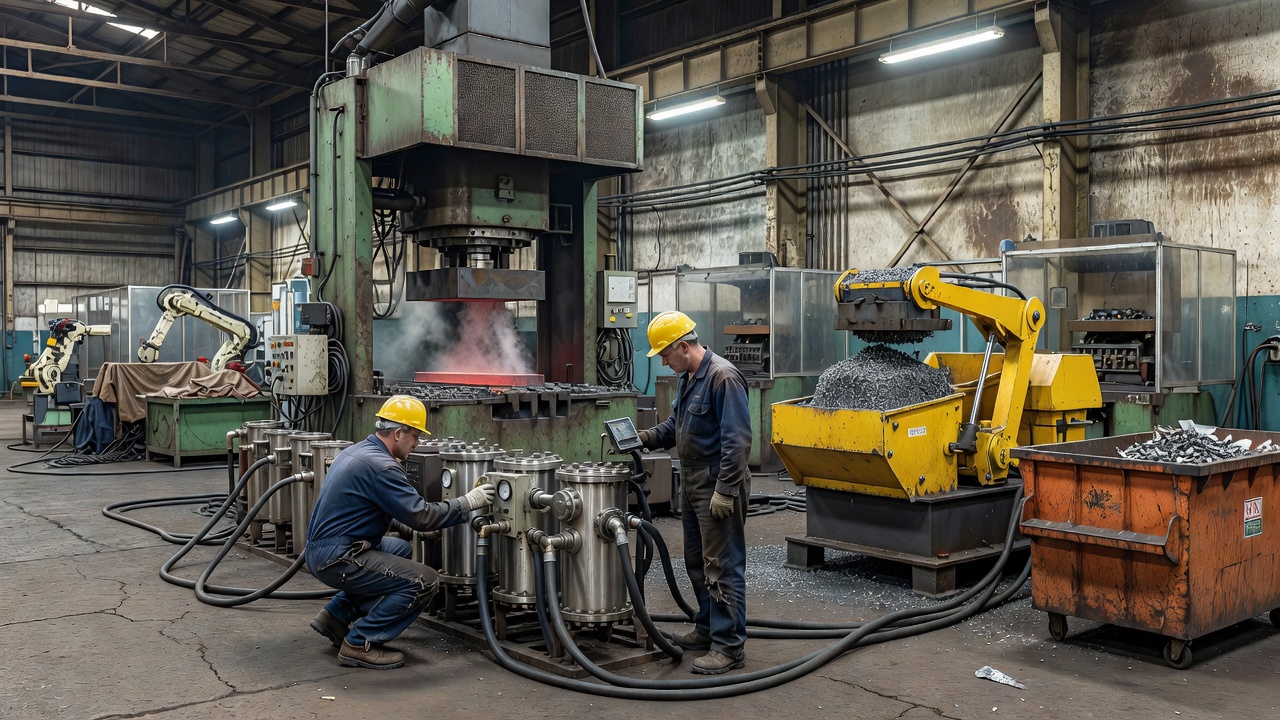
Recent environmental regulations have introduced stricter emissions standards and waste management requirements for industrial forging operations. These measures target the high-energy processes inherent in base forging research facilities and workshops, compelling operators to reassess traditional methods. Base forging, which involves precision shaping of foundational components under extreme heat, now faces scrutiny over carbon outputs and byproduct disposal.
Compliance Burdens on Daily Operations
Workshops must install advanced filtration systems to capture particulate matter released during heating cycles. This upgrade adds substantial capital expenses, with smaller facilities reporting cost increases of up to 25 percent. Energy consumption audits are now mandatory, pushing many sites toward electric induction alternatives despite higher initial investments. Researchers at baseforge.edu.pl note that these changes slow production timelines as teams calibrate equipment to meet new thresholds without compromising material integrity. Waste streams containing metal residues require certified recycling protocols, further complicating logistics for remote workshops.
Training programs have expanded to cover regulatory adherence, diverting resources from core experimentation. Data from affected sites indicate a temporary dip in output volumes as adjustments take hold. Larger operations leverage economies of scale to absorb these shifts more readily, while independent forges explore collaborative networks for shared compliance infrastructure.
Opportunities for Sustainable Base Forging Advances
The regulatory environment accelerates innovation in low-emission forging techniques. Baseforge.edu.pl teams are testing hybrid heating methods that integrate renewable energy sources, reducing reliance on fossil fuels. Preliminary trials show maintained structural quality in forged bases alongside measurable emission cuts. Partnerships with material scientists focus on developing alloys that require lower processing temperatures, aligning research goals with environmental targets.
Long-term projections suggest these adaptations could enhance global competitiveness by positioning compliant workshops as leaders in responsible manufacturing. Continued monitoring will determine whether the laws foster broader adoption of efficient practices across the sector or impose lasting constraints on smaller research-oriented facilities.