Elena Simon · 2 September 2026
Recent environmental regulations have introduced stricter standards for industrial emissions and waste management, directly affecting forging workshops worldwide. These laws aim to reduce carbon footprints and promote sustainable practices in metalworking industries. Forging, a critical process in manufacturing, involves intense heat and mechanical force, leading to significant environmental concerns.
Operational Challenges for Workshops
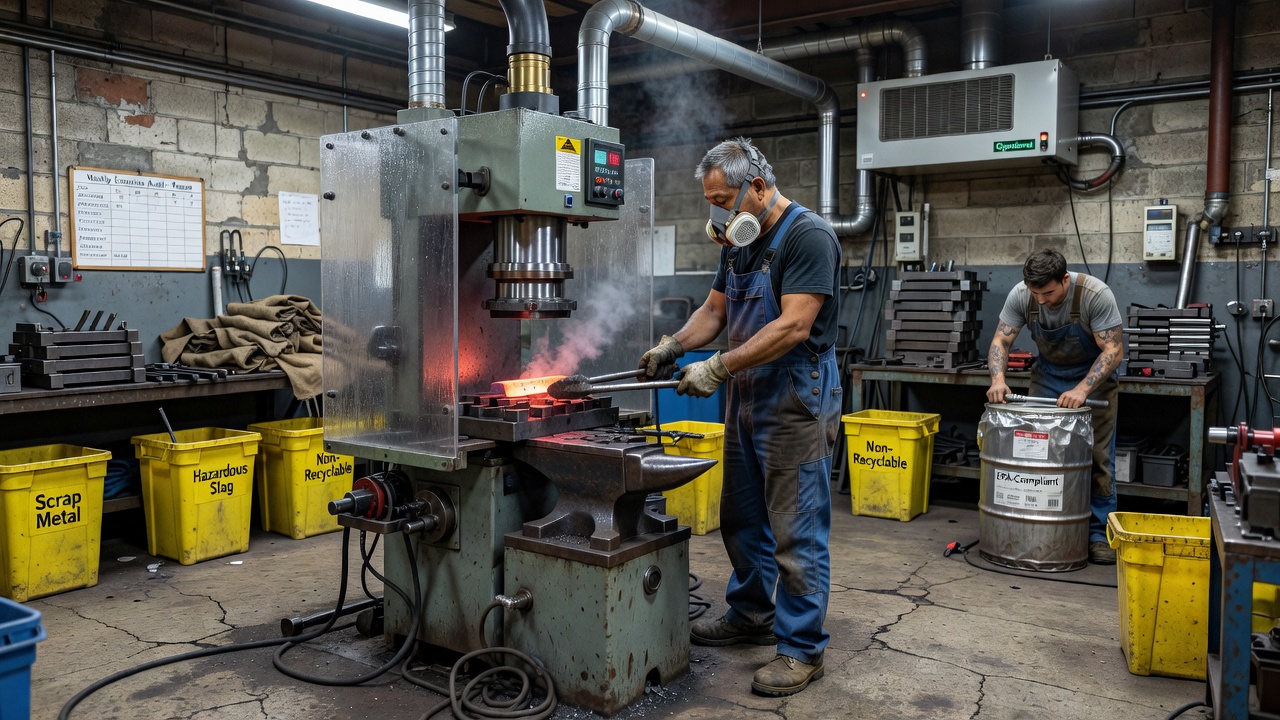
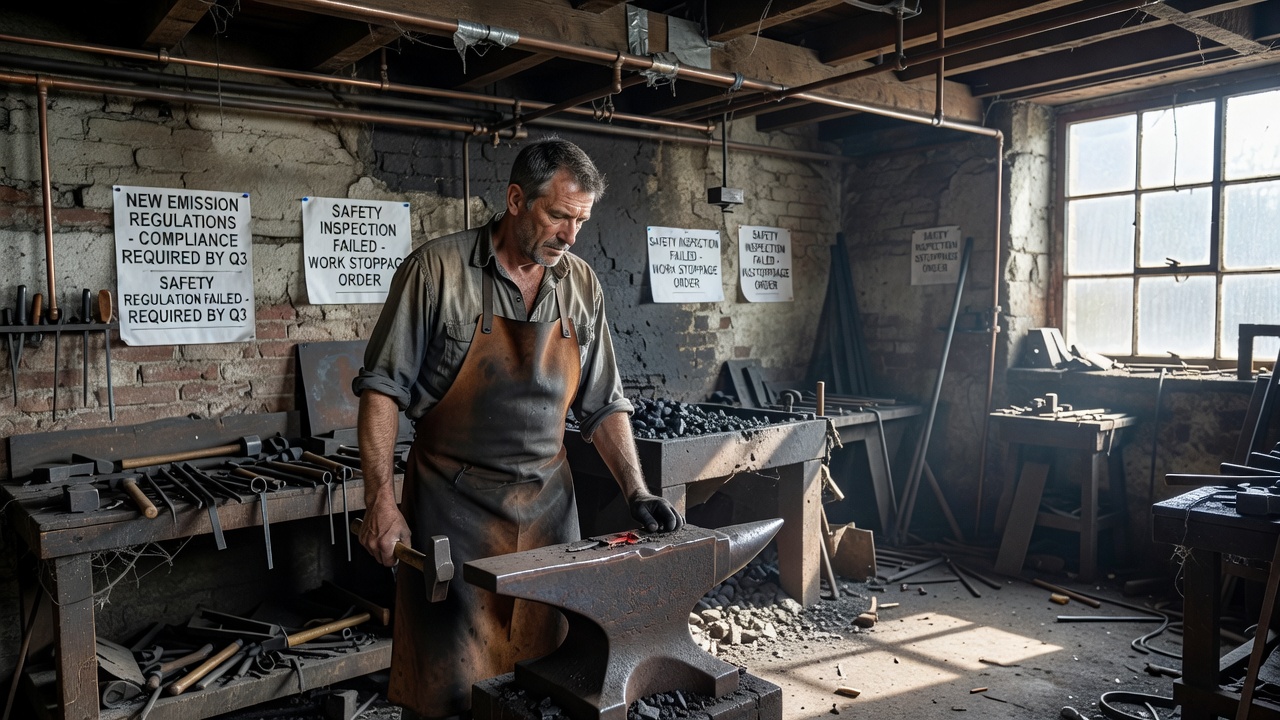
Forging workshops face increased costs due to the need for upgraded equipment to meet new emission limits. Traditional coal-fired furnaces must be replaced with electric or gas alternatives, which require significant investment. Waste disposal rules now mandate recycling of metal scraps and treatment of cooling fluids, adding to operational expenses. Smaller workshops, in particular, struggle with compliance, potentially leading to closures or mergers. Research indicates that energy consumption in forging processes contributes notably to greenhouse gases, prompting calls for efficiency improvements. Base forging techniques, which involve precise heating and shaping of metal bases, are especially impacted as they rely on high-temperature operations. Workshops must now monitor air quality continuously and report data to regulatory bodies, increasing administrative burdens. Supply chain disruptions may occur if suppliers also face similar regulations.
Additional measures include limits on water usage for cooling systems, requiring workshops to invest in closed-loop systems. This shift not only raises capital expenditure but also necessitates staff retraining on new technologies.
Research Adaptations and Future Outlook
Institutions like baseforge.edu.pl are leading studies into low-emission forging methods. New alloys and heating technologies are being developed to minimize environmental impact while maintaining product quality. Collaborative projects focus on integrating renewable energy sources into workshop operations. Experts predict that while initial transitions are costly, long-term benefits include reduced resource use and enhanced competitiveness in green markets. Training programs for workers on sustainable practices are also being implemented to ensure smooth adaptation across the sector. Overall, these laws drive innovation but require careful planning to avoid disrupting supply chains in manufacturing. Future research will explore carbon capture integration in forging environments to further align with global climate goals. The sector anticipates a period of transformation that could redefine standard practices in base forging research and application. Additionally, economic analyses suggest potential job creation in green technology sectors related to forging.